

Blockchain technology is growing fast, offering many investment chances. But, it also draws in smart cybercriminals looking for weak spots. Securing digital currency is now a must for anyone with online assets.
Many investors lose a lot because they don’t know the basics of safety. Simple errors, like using the same password everywhere or ignoring updates, can cause big problems. To manage assets well, you need to stay ahead of hackers.
How to Protect Your Crypto from Hackers
This guide will show you how to protect your crypto from hackers well. We’ll talk about using hardware wallets, avoiding phishing, and more. Staying alert is the best way to keep your investments safe.
Key Takeaways
- Use hardware wallets for cold storage.
- Enable strong multi-factor authentication.
- Create complex and unique passwords.
- Keep all security software updated.
- Verify transaction addresses before sending.
- Avoid using public Wi-Fi networks.
Understanding the Cryptocurrency Security Threat Landscape
The cryptocurrency market is growing fast. It’s key to know the security threats it faces. More users and more complex cyber threats are appearing.
Those who hold cryptocurrency face many risks. It’s vital to understand these threats well. This knowledge helps in preventing crypto hacking and safeguarding digital assets.
Most Common Hacking Methods Targeting Crypto Holders
Crypto holders are often targeted in several ways:
- Phishing attacks, where hackers trick users into revealing sensitive information.
- Malware and ransomware attacks designed to steal or lock cryptocurrency wallets.
- Exchange hacks, where hackers gain unauthorized access to cryptocurrency exchanges.
- SIM swapping, a technique used to gain control over a victim’s phone number and subsequent crypto accounts.
Statistics on Cryptocurrency Theft and Loss
Billions of dollars’ worth of cryptocurrency is stolen or lost each year. For example:
- In 2022, over $3.8 billion was stolen from cryptocurrency platforms.
- Most of these thefts happened through exchange hacks and phishing scams.
These numbers show how crucial strong security is for crypto holders.
Why Your Digital Assets Attract Cybercriminals
Digital assets draw cybercriminals for several reasons:
- The anonymous nature of cryptocurrency transactions is attractive to those seeking privacy.
- The chance for big financial gains from a single hack.
- The ease of moving money across borders without banks.
Knowing why cybercriminals target digital assets helps in fighting these threats.
Selecting the Most Secure Cryptocurrency Wallet
Choosing a secure cryptocurrency wallet is key to protecting your digital assets. With more people using cryptocurrencies, keeping your assets safe is more important than ever. Your wallet is like a door to your cryptocurrency, so picking a secure one is crucial.
Hardware Wallets: Your First Line of Defense
Hardware wallets are top-notch for storing cryptocurrency. They are physical devices that keep your private keys offline, making them hard to hack. Leading brands like Ledger and Trezor offer strong security features.
Ledger Nano X Security Features
The Ledger Nano X is a favorite among cryptocurrency users. It has a secure chip for your private keys and supports many cryptocurrencies. “Ledger’s secure element chip protects your private keys from physical tampering and attacks,” their site says.
The Trezor Model T is also highly regarded for its security. It has a touchscreen and supports over 1,000 cryptocurrencies. Trezor focuses on security with advanced encryption and secure boot.
KeepKey and Other Hardware Options
KeepKey is a hardware wallet known for its easy-to-use interface. It’s not as feature-rich as some wallets, but it’s a solid choice for security. Other wallets also offer unique features and security measures.
Software Wallets: Balancing Convenience and Security
Software wallets are easier to use than hardware wallets but are less secure. They are apps for your computer or mobile device, letting you manage your cryptocurrency.
Exodus Wallet Security Measures
The Exodus wallet is popular for its easy interface and strong security. It uses encryption and passwords to protect your crypto. Exodus also gives you a backup seed phrase to recover your funds if needed.
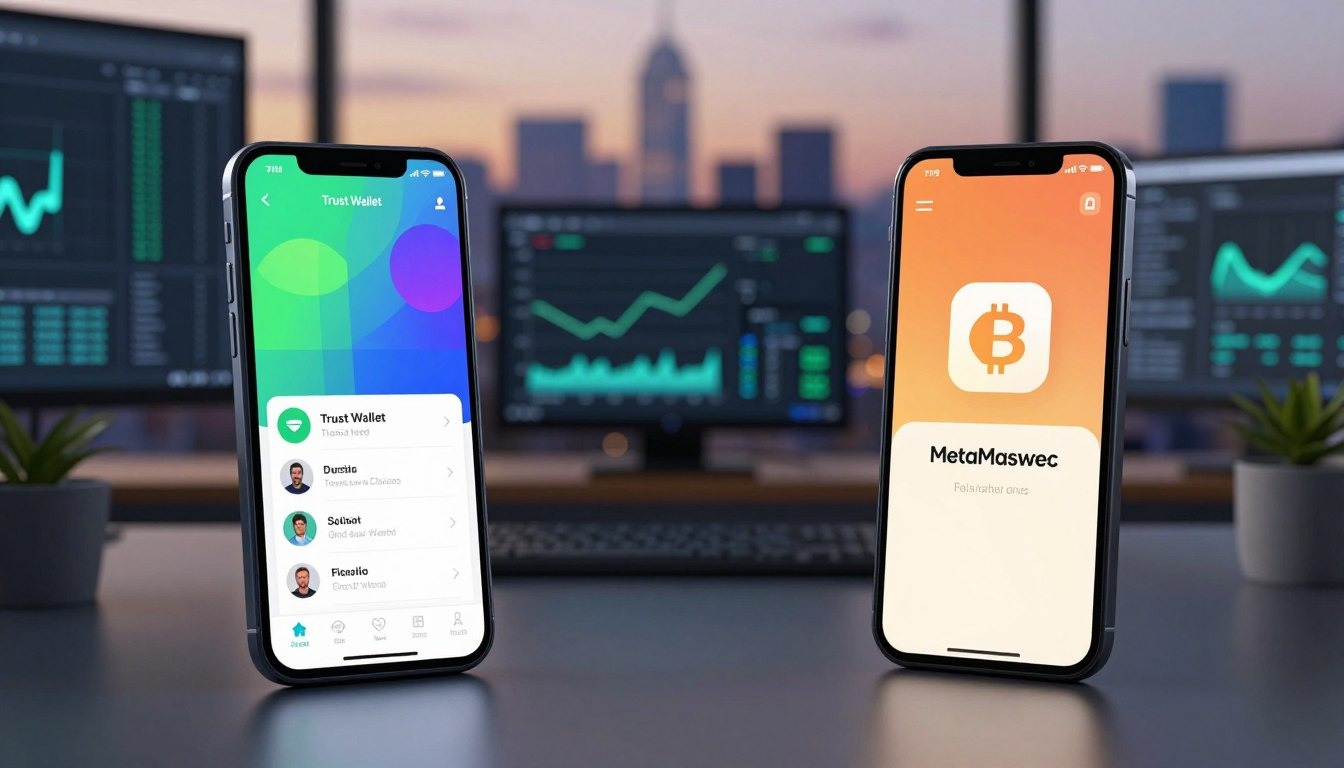
MetaMask Safety Considerations
MetaMask is a well-liked software wallet for Ethereum and ERC-20 tokens. But, users should watch out for phishing and keep their seed phrase safe.
Cold Storage Solutions and Paper Wallets
Cold storage, like paper wallets, adds extra security for your cryptocurrency. These methods store your private keys offline, making them less hackable.
“Cold storage is one of the most secure ways to store cryptocurrency, as it is not connected to the internet and is less vulnerable to cyber attacks.”
A paper wallet is a physical document with your keys. It’s a good cold storage option but needs careful handling to avoid damage.
Establishing Strong Password and Authentication Protocols
To keep your digital assets safe, focus on strong passwords and multi-factor authentication. The strength of your password and authentication methods are crucial for cryptocurrency security.
Creating Complex, Unique Passwords for Every Platform
Use complex and unique passwords for each platform to protect against unauthorized access. A good password is at least 12 characters long. It should mix uppercase and lowercase letters, numbers, and special characters. Avoid using your name, birthdate, or common words.
Best practices for creating strong passwords include:
- Using a password generator to create complex passwords
- Avoiding password reuse across different platforms
- Changing passwords regularly, for sensitive accounts
Implementing Password Managers for Crypto Security
Password managers are great for storing and managing your passwords. They can generate complex passwords and fill them in for you. This makes it easier to have unique passwords for all your accounts.
1Password for Cryptocurrency Management
1Password is a top choice for password management. It offers advanced security like end-to-end encryption and two-factor authentication. It’s easy to use and works well with many platforms.
Bitwarden as an Open-Source Alternative
Bitwarden is a good open-source option. It has features like password generation and secure storage. Plus, it’s open-source and transparent about its security.
| Feature | 1Password | Bitwarden |
| Password Generation | Yes | Yes |
| End-to-End Encryption | Yes | Yes |
| Open-Source | No | Yes |
Enabling Multi-Factor Authentication on All Accounts
MFA adds an extra layer of security. It requires a second form of verification, like a code sent to your phone or a biometric scan.
Google Authenticator Setup
Google Authenticator is a common MFA app. It generates TOTPs that you use with your password. To set it up, scan a QR code with the app and enter the code on the service you’re securing.
Authy for Multi-Device Protection
Authy is another MFA app that lets you backup your tokens. It syncs them across devices. This helps you regain access if you lose your primary device.
Hardware Security Keys Like YubiKey
Hardware security keys like YubiKey add extra security. These physical devices store your authentication info. You need to insert the key to access your accounts.
By using these strategies, you greatly improve the security of your cryptocurrency. Remember, strong passwords and reliable MFA are key to robust security.
How to Protect Your Crypto from Hackers Through Network Security
Network security is key to keeping your cryptocurrency safe. It fights off cyber threats as the market grows. It’s vital to use strong security to protect your digital assets.
The Dangers of Public Wi-Fi for Cryptocurrency Transactions
Public Wi-Fi is risky for crypto transactions. It’s often not secure, making it easy for hackers to steal your info. Avoid using public Wi-Fi for crypto transactions to protect your money.
Hackers use public Wi-Fi to steal your data. They do this by intercepting your connection. This can lead to losing your login and wallet info.
Using Virtual Private Networks for Enhanced Privacy
A Virtual Private Network (VPN) encrypts your internet. It creates a secure path for your data. This is crucial when using the internet for crypto.
When picking a VPN for crypto, look for:
- Strong encryption
- No-logs policy
- Many server locations
- Kill switch feature
NordVPN for Crypto Trading
NordVPN is great for crypto traders. It has strong security and many servers. It offers:
- Double VPN for extra security
- Tor-over-VPN for anonymous browsing
- Strict no-logs policy
ExpressVPN Security Features
ExpressVPN is also top-notch. It provides:
- Strong encryption with AES-256
- Fast speeds for smooth trading
- TrustedServer technology for security
| VPN Service | Key Features | Server Locations |
| NordVPN | Double VPN, Tor-over-VPN, Strict no-logs | 60 Countries |
| ExpressVPN | AES-256 Encryption, Fast speeds, TrustedServer | 94 Countries |
Securing Your Home Router and Network
Protecting your home network is key. Start by changing your router’s default password. This stops hackers from getting in.
Changing Default Router Credentials
Default passwords are easy to find. Change them to strong, unique ones. This keeps your network safe.
Enabling WPA3 Encryption
WPA3 is the latest encryption. It’s more secure than older standards. Turn on WPA3 on your router for better security.
By using these security steps, you lower the risk of hacker attacks. Always update your security to stay safe from new threats.
Identifying and Defending Against Phishing Scams
To keep your crypto safe from hackers, start by fighting phishing scams. Phishing is a common trick used by hackers to get your private info.
Recognizing Fraudulent Emails and Websites
Phishing scams start with fake emails or websites that look real. To stay safe, always check emails and websites closely. Watch out for red flags like spelling mistakes and weird URLs.
Real companies usually call you by name when it’s important. Be careful of emails that say “Dear customer” instead. Also, don’t give out sensitive information like passwords or financial details.
Common Social Engineering Tactics in Crypto Scams
Scammers use social engineering to trick you, not just tech tricks. They might pretend to be someone you trust, like customer support. They’ll say you need to act fast to avoid a problem.
To stay safe, always check who’s asking for your info. Contact official support channels directly, not through suspicious messages.
Verifying Legitimate URLs and Email Addresses
It’s key to check if URLs and email addresses are real. Scammers might make domains look almost the same as real ones. Always double-check the URL, even if it has HTTPS and a lock icon.
For emails, look at the sender’s address closely. Scammers might make emails look real, but the address will have mistakes or weird characters.
Browser Extensions for Phishing Protection
Browser extensions can help block phishing sites and warn you about dangers. They add an extra layer of security when you’re online.
Choose a browser extension that’s well-reviewed and updated often. Some extensions also help with passwords and block tracking, making your browsing safer.
Implementing Exchange Account Security Measures
To keep your crypto safe, it’s key to secure your exchange accounts well. Exchanges are often hacked, leading to big losses. So, it’s important to use the best security features they offer.
Evaluating Exchange Security Reputations
Before picking an exchange, check its security reputation. Good exchanges spend a lot on security and follow rules. Here are some top exchanges and their security levels:
Coinbase Security Standards
Coinbase is very secure. It uses cold storage for most assets and two-factor authentication (2FA) for accounts. It also has a big bug bounty program to find and fix problems.
Kraken Protection Features
Kraken has cool security tools like global settings lock and crypto withdrawal whitelist. These add extra protection against bad transactions.
Binance.US Safety Protocols
Binance.US mixes hot and cold wallet storage and multi-signature wallets to keep assets safe. It also uses smart risk management systems to spot and stop bad activities.
Setting Up Withdrawal Whitelists and Address Books
Using withdrawal whitelists and address books boosts security. You can approve specific withdrawal addresses, lowering the chance of money going to the wrong place.
- Navigate to your exchange account settings.
- Find the withdrawal whitelist or address book section.
- Add trusted wallet addresses to the list.
- Double-check each address to make sure it’s right.
Configuring Anti-Phishing Codes and Security Notifications
Anti-phishing codes and security alerts are key to fight phishing. An anti-phishing code in emails from the exchange helps you know if it’s real.
To set these up:
- Go to your account security settings.
- Turn on anti-phishing code and make it your own.
- Set up alerts for login attempts, withdrawals, and other important actions.
Following the Rule of Minimal Exchange Storage
It’s wise to keep only what you need on exchanges. Move extra money to a safe wallet, like a hardware wallet.
By using these security steps, you lower the risk of losing money on exchanges. Always be careful and check your security settings often to keep your assets safe.
Developing Comprehensive Backup and Recovery Strategies
Cryptocurrency holders need to focus on creating a solid backup and recovery plan. This plan helps protect your digital assets from loss or theft. It ensures you can get back your funds even if you lose access to your main wallet or exchange account.
Understanding and Securing Your Seed Phrase
Your seed phrase is crucial for recovering your cryptocurrency wallet. It’s vital to grasp its importance and take steps to keep it safe.
Never Store Seed Phrases Digitally
Keeping your seed phrase online, like in cloud storage or email, is risky. Always keep your seed phrase in a secure, offline spot.
Avoiding Cloud Storage for Recovery Information
Cloud storage is handy but can be hacked. Don’t use it to store sensitive info, like your seed phrase.
Implementing Multiple Physical Backup Locations
Keep your seed phrase and recovery info in several physical spots. Options include:
- Safe deposit boxes at banks
- Secure spots in your home
- With trusted family or friends
Using Metal Backup Plates for Fire and Water Resistance
Metal backup plates are great for keeping your seed phrase safe. They protect against fire, water, and other damage.
Cryptosteel Capsule Solutions
The Cryptosteel Capsule is a top pick for seed phrase security. It’s made to be tamper-evident and withstand harsh conditions.
Billfodl Backup Devices
Billfodl devices are another strong option for seed phrase backup. They’re built to be durable and secure.
Regularly Testing Your Recovery Procedures
Just having a backup plan isn’t enough. You need to test it regularly. This means:
- Checking your backup spots often
- Trying the recovery process with a small amount of crypto
- Updating your plan as your holdings or security needs change
By sticking to these crypto security tips, you can lower the risk of losing your cryptocurrency to theft or loss.
Maintaining Operational Security in Daily Cryptocurrency Activities
Every day, we need strong security to keep our crypto safe from new threats. We must follow best practices and stay alert. This way, our crypto assets stay protected.
Keeping Your Crypto Holdings Confidential
Keeping your crypto private is crucial. Don’t talk about your investments in public or online. Keeping quiet helps avoid hackers and scammers.
To keep things private:
- Be careful with what you share on social media.
- Don’t talk about your crypto in public.
- Use secret channels for sensitive talks.
Separating Wallets by Purpose and Risk Level
It’s smart to split your wallets based on their use and risk. This way, if one wallet gets hacked, you won’t lose everything.
Hot Wallets for Daily Transactions
Hot wallets are always online and good for daily use. They’re easy but riskier. Use them for small amounts and often.
Cold Wallets for Long-Term Holdings
Cold wallets are offline and safer for long-term storage. They’re great for big amounts and less likely to get hacked.
Conducting Quarterly Security Audits
Doing security checks every three months is key. It keeps your security strong and finds problems early.
In a security check, look at:
- Your wallet settings and security.
- How good your backups and recovery are.
- Any new security updates for your wallets.
Avoiding Discussions About Holdings on Social Media
Social media is full of scammers and hackers. Don’t talk about your crypto there to avoid being targeted.
Here’s what to do:
- Don’t post about your crypto.
- Be careful with new friends or messages.
- Don’t share private info online.
Defending Against Malware, Keyloggers, and Device Compromise
Cryptocurrency is becoming more popular, but so are cyber threats. It’s vital to protect your crypto wallets and digital currency from malware, keyloggers, and device compromise. Good security is key to keeping your assets safe.
Installing and Maintaining Premium Antivirus Protection
Start by installing top-notch antivirus software. It guards against viruses, Trojans, and spyware in real-time.
Bitdefender for Cryptocurrency Users
Bitdefender is a top choice for crypto users. It has strong threat detection and anti-phishing tools to safeguard your digital assets.
Kaspersky Security Solutions
Kaspersky offers solid antivirus software for individuals and businesses. Their products are great at finding and fighting malware.
| Antivirus Software | Key Features | Effectiveness Against Malware |
| Bitdefender | Advanced threat detection, anti-phishing | High |
| Kaspersky | Comprehensive security, real-time protection | High |
Keeping All Software and Operating Systems Current
Keep your operating system and software up to date. Updates fix vulnerabilities that malware could exploit.
Turn on automatic updates for your OS and key software. This way, you get the latest security patches quickly.
Recognizing and Avoiding Malicious Downloads
Be careful with downloads from the internet. Stick to trusted sources.
Don’t click on suspicious links or open attachments from unknown emails. They might be phishing or contain malware.
Considering Dedicated Devices for Crypto Management
Using dedicated devices for crypto management can boost security. It keeps your crypto activities separate from other online risks.
Setting Up an Air-Gapped Computer
An air-gapped computer is not connected to the internet. It adds extra security for sensitive info or crypto management.
To set up an air-gapped computer, make sure it’s never online. Use external storage for secure data transfer.
By following these steps, you can greatly improve the security of your cryptocurrency. Protect your digital assets from malware, keyloggers, and device compromise.
Conclusion
Protecting your cryptocurrency from hackers needs a detailed plan. This plan should cover many security layers. Knowing the threats and using the best security practices can greatly lower the risk of losing your digital assets.
Important points from this article include choosing a secure wallet, using strong passwords, and keeping your devices safe. It’s also key to fight against malware and protect your devices from hackers.
To keep your crypto safe, always be alert and update your security often. Checking and improving your security steps regularly is vital for keeping your digital assets safe for a long time.
By following the advice in this article and keeping up with new security threats, you can have a safer experience with cryptocurrency.
FAQ
How to protect your crypto from hackers using hardware solutions?
The best way to keep your crypto safe is with a hardware wallet. Models like the Ledger Nano X or Trezor Model T are great. They store your private keys offline, protecting your wallet from online threats.
What are the best practices for crypto security regarding password management?
Use a password manager like 1Password or Bitwarden to boost your security. These tools help you create strong, unique passwords for each account. This makes it harder for hackers to guess your passwords.
Is multi-factor authentication necessary for securing digital currency?
Yes, it’s crucial. Just a password isn’t enough to protect your digital assets. Enable multi-factor authentication (MFA) on all platforms. Use app-based authenticators or hardware security keys for extra protection.
How can I ensure cyber security for crypto when trading on public networks?
Always avoid trading on public Wi-Fi. If you must, use a VPN like NordVPN or ExpressVPN to encrypt your data. Also, make sure your home network is secure and your router credentials are changed.
Which exchanges offer the best features for safeguarding digital assets?
While no exchange is completely safe, Coinbase, Kraken, and Binance.US are known for their security. Use their advanced features like withdrawal whitelisting and identity verification to stay safe.
What are the most reliable tips for securing crypto assets during the backup process?
Never save your recovery seed phrase digitally. Use physical, fire-resistant solutions like the Cryptosteel Capsule. Store these in multiple secure locations to protect your assets.
How do I defend my devices against malware and keyloggers?
Use premium antivirus software like Bitdefender or Kaspersky. Keep your operating system updated. Consider using a dedicated, air-gapped computer for high-value transactions to avoid malware.
What is operational security and how does it help in preventing crypto hacking?
Operational security is about the habits that keep your assets safe. Keep your holdings private, avoid discussing your portfolio online, and do security audits regularly. By staying low-key and separating your wallets, you reduce your risk of being hacked.





Leave a Reply