

Many investors look for ways to make their money work harder. Instead of just holding assets, you can secure networks and get rewards. This crypto staking tutorial explains how to earn daily passive income.
Step-by-Step Guide on How to Earn Daily Passive Income Using Crypto Staking
You don’t need complex hardware to start. We’ll cover the essential tools and platforms available today. Our team will guide you on choosing tokens, setting up wallets, and calculating potential returns.
By following these simple steps, you can grow your wealth while you sleep. Our focus is on clear actions that bring real results in today’s market. Let’s dive into the details and set up your first stream of digital revenue.
Key Takeaways
- Understand the basics of digital asset validation and network security.
- Find the most reliable platforms for consistent rewards.
- Learn how to pick tokens with high yield potential.
- Set up a secure wallet for safe digital fund storage.
- Discover ways to manage market volatility and risks.
Understanding Crypto Staking and How It Generates Passive Income
Crypto staking is a way to earn passive income in the growing world of cryptocurrencies. It’s important for investors to know how it works.
What Is Crypto Staking?
Crypto staking means keeping your cryptocurrency in a wallet to help a blockchain network run. You help validate transactions and keep the network safe. In return, you get more cryptocurrency.
Staking is key in Proof-of-Stake (PoS) networks. It’s different from the energy-using mining in Proof-of-Work (PoW) systems. This change helps the environment and lets more people join in.
How Staking Differs from Traditional Crypto Mining
Staking doesn’t need expensive mining gear like traditional mining. It’s about holding cryptocurrency in a wallet. This makes it more energy-friendly and easier to join.
Staking is seen as a greener and more open way to earn. It lets more people help validate transactions and get rewards.
The Mechanism Behind Earning Staking Rewards
Staking rewards come from the consensus algorithm in PoS blockchains. Validators are picked to create new blocks based on their cryptocurrency amount and how long they’ve staked.
By validating, stakers keep the blockchain safe. They get rewards in more cryptocurrency.
Daily Reward Distribution and Compounding Effects
Staking rewards are often given out daily. This depends on the network and the staking platform. When you reinvest these rewards, your total stake grows. This means more potential rewards in the future.
This growth can really boost your passive income from staking over time. It’s a good choice for those looking to invest for the long haul.
Why Choose Crypto Staking for Passive Income Generation
Staking in cryptocurrency has become popular for earning passive income with crypto. It offers many benefits, making it a great passive income strategy with staking.
Lower Barrier to Entry Compared to Mining
Staking is easier to start than mining. It doesn’t need expensive hardware or lots of electricity. This makes staking open to more investors.
Environmental Benefits of Proof-of-Stake Networks
Staking is better for the environment than mining. It uses less energy thanks to the proof-of-stake algorithm. This way, investors can earn income while helping the planet.
Predictable and Consistent Return Potential
Staking gives steady returns. Rewards are given out regularly, making it a reliable income source. This is great for those who want stable returns in a volatile market.
Maintaining Ownership While Earning Rewards
Staking lets investors keep their assets and still earn rewards. Unlike other strategies, staking doesn’t require giving up control over your cryptocurrencies.
Knowing these benefits helps investors decide if crypto staking is right for them.
Types of Crypto Staking Methods Available
Crypto staking now offers many ways to earn passive income. These options meet different needs and preferences. Investors can pick the best method for their goals and comfort with risk.
Direct On-Chain Staking Through Native Wallets
Direct on-chain staking uses a blockchain’s native wallet for validation. It gives users full control over their assets. They can also interact directly with the blockchain.
Benefits: Maximum control over assets, direct interaction with the blockchain.
Drawbacks: Requires technical knowledge, may involve locking up funds for a specified period.
Exchange-Based Staking Services
Many crypto exchanges offer staking services. Users can stake their assets directly on the platform. This is great for those already holding assets on an exchange.
Benefits: Convenience, ease of use, often supported by user-friendly interfaces.
Drawbacks: Less control over assets compared to direct staking, potential security risks associated with exchanges.
Staking Pools and Delegated Staking
Staking pools and delegated staking combine resources for more power. They are good for those with smaller amounts of cryptocurrency.
Benefits: Increased staking power, potential for more consistent rewards.
Drawbacks: Fees associated with pool operations, potential risks if the pool is not reputable.
Liquid Staking and Derivative Tokens
Liquid staking uses derivative tokens to represent staked assets. It allows for using staked assets in other DeFi applications.
Benefits: Liquidity, flexibility in using staked assets.
Drawbacks: Complexity, potential risks associated with derivative tokens.
The following table summarizes the key characteristics of the different staking methods:
| Staking Method | Control Over Assets | Technical Knowledge Required | Liquidity |
| Direct On-Chain Staking | High | Yes | Low |
| Exchange-Based Staking | Medium | No | Medium |
| Staking Pools and Delegated Staking | Low | No | Medium |
| Liquid Staking and Derivative Tokens | Medium | Yes | High |
Essential Requirements Before You Start Staking
Before starting your crypto staking journey, it’s key to know the basic requirements. Crypto staking means holding funds in a wallet to help a blockchain network run. You need to think about several important factors.
Minimum Capital Investment Considerations
The amount needed to start staking varies by cryptocurrency and platform. Some need little, while others require a lot. You should check your finances and goals before staking.
Key considerations include:
- The minimum staking amount required by the platform or protocol
- The potential returns on investment and how they align with your financial goals
- The liquidity of your staked assets and any associated lock-up periods
Technical Requirements and Wallet Setup
To start staking, you need the right technical setup. This means setting up a compatible wallet and funding it with the cryptocurrency you want to stake.
Technical requirements may include:
- Choosing a wallet that supports staking for your chosen cryptocurrency
- Understanding the staking process and how to navigate the staking interface
- Ensuring your wallet and staking setup are secure to protect your assets
Understanding Lock-Up Periods and Liquidity Constraints
Many staking options have lock-up periods where your funds are tied up. It’s important to know these to manage your liquidity.
Consider the following:
- The length of the lock-up period and any penalties for early withdrawal
- How lock-up periods might impact your financial flexibility
- Alternatives that offer more liquidity if needed
Risk Tolerance and Investment Timeline
Your risk tolerance and investment timeline are crucial for crypto staking. You should think about how much risk you can take and how long you can lock up your funds.
Questions to consider:
- What is your investment horizon, and how does it align with the staking lock-up period?
- How will you manage potential market volatility affecting your staked assets?
- Are you prepared for the possibility of slashing or other staking-related risks?
Selecting the Best Staking Coins for Passive Income
Cryptocurrency staking offers many chances for passive income. Different coins have their own benefits. As the market grows, investors have more choices for staking, each with its own features and returns.
Ethereum: The Leading Staking Opportunity
Ethereum is a big player in the crypto world. It has moved to Ethereum 2.0, using proof-of-stake instead of proof-of-work. This lets holders stake their ETH and earn rewards.
Ethereum’s staking rewards are quite good, with APYs that compare well to others. Its liquidity makes it easy to get in and out of staking positions.
Cardano: High-Yield Staking with Flexibility
Cardano is another top choice for staking. It uses Ouroboros, a proof-of-stake algorithm, to let ADA holders earn rewards. Cardano’s staking is flexible and can offer high returns.
Staking Cardano is great because there are no lock-up periods. This means you can keep your coins liquid while still earning rewards. This flexibility makes Cardano appealing for those who don’t want to commit long-term.
Solana: Fast Transactions and Competitive Returns
Solana is a fast blockchain that supports many apps. It uses proof-of-stake and proof-of-history for fast transactions and good staking rewards. Solana’s staking is secure and efficient, offering validators a chance to earn while keeping the network safe.
Solana’s APY is competitive, making it a good choice for passive income. Its fast transactions also support a lively DeFi ecosystem.
Polkadot: Innovative Parachain Staking Model
Polkadot is a platform that connects different blockchains. Its staking model involves nominators supporting validators with DOT tokens. This helps secure and govern the network. Both validators and nominators get rewards, making it a promising opportunity.
Polkadot’s ecosystem is known for its innovative parachain architecture. This allows multiple blockchains to work together, improving scalability and interoperability. This architecture supports a wide range of applications.
Cosmos: Interoperability with Strong Rewards
Cosmos is a network of independent, scalable blockchains. The Cosmos Hub, powered by ATOM, offers staking and strong passive income. Cosmos uses proof-of-stake, allowing validators and delegators to earn rewards.
Cosmos is praised for its interoperability features. This lets different blockchains communicate and transact easily. This interoperability boosts growth and adoption in the Cosmos ecosystem.
Evaluating APY Rates and Long-Term Sustainability
When choosing staking coins, look at APY rates and long-term viability. High APYs are tempting, but they might not last. The project’s team, community, and tech are key to its long-term success.
| Cryptocurrency | APY Range | Key Features |
| Ethereum | 4-6% | Large market capitalization, liquidity, transitioning to Ethereum 2.0 |
| Cardano | 5-7% | Flexible staking, no lock-up periods, high yield potential |
| Solana | 6-8% | Fast transactions, competitive returns, vibrant DeFi ecosystem |
| Polkadot | 10-14% | Innovative parachain model, interoperability, strong community |
| Cosmos | 7-10% | Interoperability, scalable, robust staking rewards |
By carefully looking at these factors and each coin’s unique features, investors can choose the best staking coins for passive income.
Choosing the Right Staking Platform or Exchange
Choosing the right platform for crypto staking is key to earning passive income. The platform you pick can greatly affect your staking experience. It influences rewards, security, and how easy it is to use.
Centralized Exchange Staking: Coinbase, Binance, and Kraken
Platforms like Coinbase, Binance, and Kraken make staking easy and straightforward. They handle the technical stuff, making staking accessible to more people.
Key benefits:
- Ease of use
- High liquidity
- Customer support
Decentralized Staking Platforms and DeFi Protocols
Decentralized platforms and DeFi protocols offer a different option. They give you more control over your assets and might offer better rewards. These platforms use blockchain for security and transparency.
Advantages include:
- Greater control over assets
- Potential for higher rewards
- Transparency and security through blockchain technology
Native Wallet Staking for Maximum Control
Staking from your native wallet gives you full control over your assets. It’s perfect for those who like to manage their staking on their own.
Comparing Fees, Security Features, and User Experience
When picking a staking platform, compare fees, security, and user experience. A detailed comparison helps you choose the best platform for your staking goals.
| Platform | Fees | Security Features | User Experience |
| Coinbase | Variable | 2FA, Insurance | User-friendly |
| Binance | Competitive | 2FA, Secure Asset Fund | Intuitive Interface |
| Kraken | Transparent | 2FA, Cold Storage | Professional |
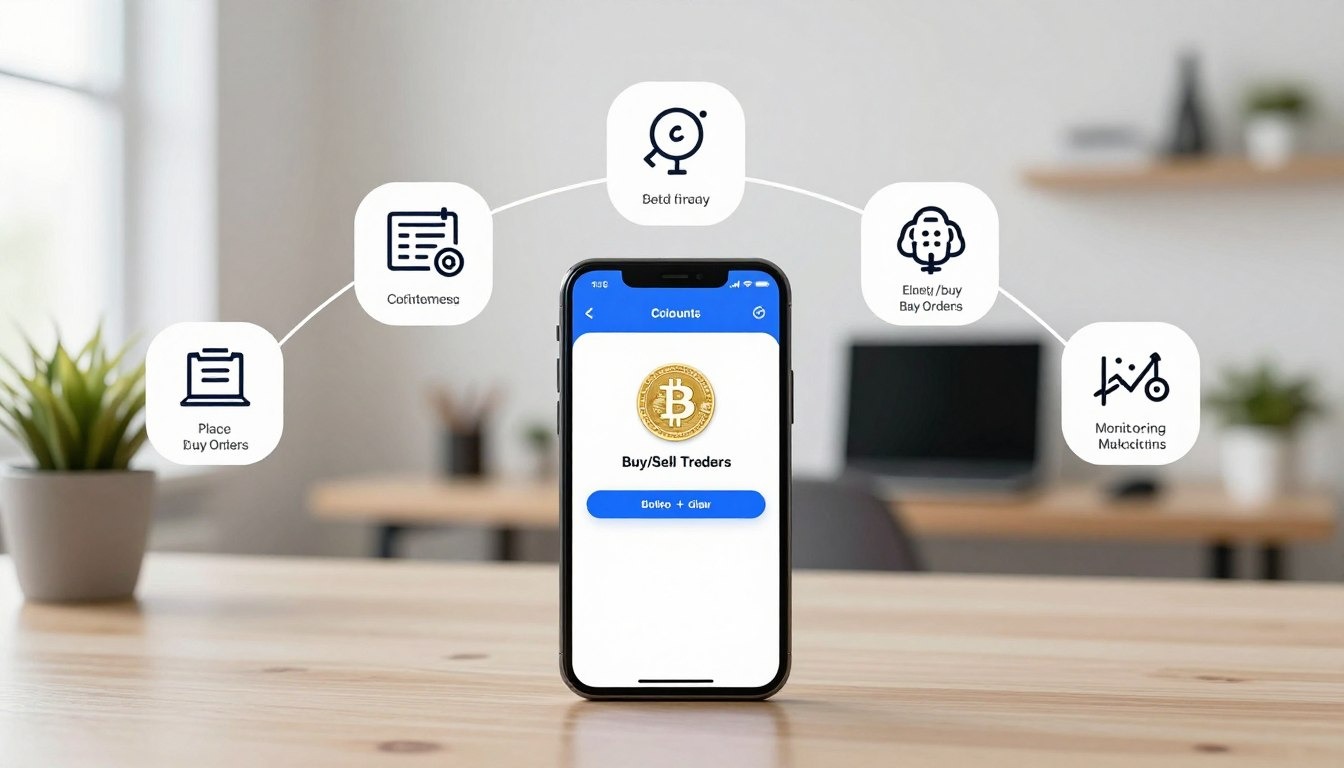
Step-by-Step Guide on How to Earn Daily Passive Income Using Crypto Staking
To start earning daily passive income through crypto staking, follow this guide. It’s easy to get started with these steps. They will help you begin this profitable venture.
Step 1: Research and Select Your Staking Cryptocurrency
First, pick a cryptocurrency for staking. Look at the coin’s stability, staking rewards, and technology. Good choices are Ethereum, Cardano, and Solana.
Step 2: Choose Your Staking Platform or Wallet
After picking a cryptocurrency, choose a staking platform or wallet. You can use centralized exchanges like Coinbase or Binance, or go for decentralized platforms and native wallets.
| Platform Type | Examples | Key Features |
| Centralized Exchanges | Coinbase, Binance | Ease of use, high liquidity |
| Decentralized Platforms | DeFi protocols | High flexibility, diverse staking options |
| Native Wallets | Ethereum Wallet, Solana Wallet | Maximum control, security |
Step 3: Create and Secure Your Account or Wallet
Set up your account or wallet after choosing your platform. Make sure to enable two-factor authentication and use strong passwords for security.
Step 4: Purchase or Transfer Your Chosen Cryptocurrency
Now, buy or transfer your chosen cryptocurrency. You can buy on exchanges or transfer from another wallet.
Step 5: Navigate to the Staking Section
With your cryptocurrency ready, go to the staking section. It’s in the platform’s or wallet’s interface.
Step 6: Select Your Staking Option and Amount
In the staking section, choose your option and amount. Review the terms, including the lock-up period and rewards.
Step 7: Confirm and Initiate Your Stake
Confirm your choices and start staking. This step is key to finalize your decision.
Step 8: Monitor Your Daily Staking Rewards
Lastly, watch your daily rewards. Most platforms have a dashboard for tracking. Consider reinvesting rewards to increase returns through compounding.
By following these steps, you can earn daily passive income through crypto staking. Stay updated on market conditions and adjust your strategy as needed.
Security Best Practices for Crypto Staking
To make the most of staking crypto for income, you need strong security. A safe staking setup is key to protect your money and get steady passive income with staking. As crypto staking grows, so do the dangers.
Implementing Two-Factor Authentication
Two-factor authentication (2FA) is a simple yet powerful security step. It adds an extra check beyond your password, cutting down on unauthorized access. Most good exchanges and staking sites offer 2FA, like SMS, apps, or tokens.
Using Hardware Wallets for Cold Staking
For even more security, think about hardware wallets for cold staking. These keep your private keys offline, safe from hackers. They’re great for big staking jobs or long-term plans.
Avoiding Phishing Scams and Fraudulent Platforms
Phishing scams and fake sites are big dangers in crypto. Always check if a site is real before staking. Watch out for emails or messages that ask for your login or private keys. Never give out sensitive info on untrusted sites.
Regular Security Audits of Your Staking Setup
Doing regular security checks is key to spotting and fixing risks in your staking. This means updating software, checking account activity, and keeping your security current.
Validator Selection and Reputation Verification
The validator’s reputation matters a lot. Look into their past, performance, and what others say before staking with them. A good validator boosts your rewards and helps keep the network safe.
By sticking to these security tips, you can make your crypto staking safer and more profitable. This ensures a solid passive income strategy with staking.
Maximizing Your Staking Returns and Rewards
With the right strategies, you can boost your staking rewards and earn more passive income with cryptocurrency. To maximize staking returns, understand the staking process, choose the right assets, and optimize your strategy.
Compounding Strategy: Restaking Your Daily Rewards
Compounding your rewards is a great way to increase your staking returns. This means restaking your daily rewards to earn more income over time. This approach can significantly boost your overall returns through the compounding effect.
For example, staking a cryptocurrency with a 10% annual percentage yield (APY) can lead to a higher effective APY with daily compounding compared to simple interest.
Diversifying Across Multiple Staking Assets
Diversification is key in crypto staking, just like in any investment. By staking different cryptocurrencies or using various platforms, you can spread risk and potentially increase returns. This strategy involves diversifying across multiple staking assets.
Benefits of diversification include:
- Reduced dependence on a single asset’s performance
- Exposure to different staking opportunities and reward structures
- Potential for higher overall returns through a balanced portfolio
Understanding and Timing Unstaking Periods
Knowing the unstaking periods for your assets is crucial. Some platforms or cryptocurrencies have lock-up periods where you can’t access or transfer your staked assets. Timing your staking and unstaking activities based on your financial needs and market conditions can maximize returns.
Monitoring Network Changes and Reward Rate Adjustments
Staking rewards can change due to network updates, such as adjustments in block rewards or staking protocol changes. Keeping up with these changes and adjusting your strategy can help maintain optimal returns.
Switching Validators for Better Performance
In some ecosystems, the performance of validators can greatly impact your rewards. Switching to validators with better performance or lower fees can improve your staking returns.
Here’s a comparison of different staking strategies and their potential impacts on returns:
| Staking Strategy | Potential Return | Risk Level |
| Compounding Daily Rewards | High | Low |
| Diversifying Across Assets | Medium to High | Low to Medium |
| Timing Unstaking Periods | Medium | Medium |
| Switching Validators | Medium to High | Low to Medium |
Tax Implications of Crypto Staking Income
When you start crypto staking for passive income, knowing about taxes is key. The IRS sees crypto staking rewards as taxable income. It’s important to understand this to avoid legal and financial issues.
IRS Treatment of Staking Rewards
The IRS views crypto staking rewards as regular income. This income is taxed when you get it. The fair market value of the rewards at the time you get them is what you report as income.
For example, if you get 1 ETH worth $1,500 as a reward, you report $1,500 as income. Keeping track of the rewards’ value at the time you get them is crucial for correct tax reporting.
Calculating Fair Market Value
Finding the fair market value of staking rewards can be tricky. It’s hard because cryptocurrency prices change a lot. You can use historical prices from trusted exchanges to figure it out.
For instance, if you got rewards on a certain date, check the historical price of the cryptocurrency then. This price helps you figure out your taxable income from staking rewards.
Record-Keeping for Tax Reporting
Keeping detailed records is essential for accurate taxes. You need to track the amount and value of rewards, and any transactions with the staked cryptocurrencies. Good record-keeping helps when you sell your staked assets.
It’s smart to keep a log or use software to track your rewards and transactions. This makes tax reporting easier and helps with your staking decisions.
Consulting Crypto-Savvy Tax Professionals
Talking to tax experts who know about crypto can be very helpful. They can guide you on tax laws, help with your tax strategy, and deal with audits.
A crypto-savvy tax pro can explain crypto tax rules, like reporting rewards and handling hard forks. Their advice is crucial for following tax laws and saving on taxes.
Common Mistakes to Avoid When Staking Cryptocurrency
When you start staking cryptocurrency, knowing the common mistakes is key. Staking can earn you passive income, but it has its own risks. Being careful and informed helps you avoid these challenges.
Chasing Unrealistically High APY Rates
Many investors chase high APY rates without looking at the risks. High APY rates often come with higher risks, like market volatility or scams. Always check if the returns are sustainable, not just the high yields.
- Research the project’s history and reputation.
- Understand the staking mechanism and reward structure.
- Be wary of platforms or projects that promise unusually high returns with little risk.
Neglecting to Research Validator Reputation and Performance
The reputation and performance of validators are crucial. Neglecting to research validators can lead to reduced rewards or even loss of funds. Look for validators with a good track record, high uptime, and clear communication.
- Check the validator’s history and performance metrics.
- Read reviews and feedback from other stakers.
- Consider the validator’s commission rates and fee structures.
Ignoring Lock-Up Periods and Liquidity Needs
Many staking options have lock-up periods where your assets are not accessible. Ignoring these lock-up periods can cause liquidity issues if you need your funds. It’s important to understand the terms and plan your investment based on your financial needs.
Consider the following:
- The length of the lock-up period.
- Any penalties for early withdrawal.
- Your own liquidity needs and financial goals.
Failing to Diversify Staking Positions
Diversification is crucial in crypto staking. Failing to diversify your staking positions can expose you to too much risk. By investing in different assets and platforms, you can reduce potential losses and stabilize your returns.
| Asset | APY | Risk Level |
| Ethereum | 5% | Medium |
| Cardano | 4% | Low |
| Solana | 7% | High |
Overlooking Network Slashing Risks and Penalties
Slashing is a penalty for validators who fail to perform their duties correctly. Overlooking network slashing risks can lead to unforeseen losses. It’s important to understand the slashing conditions and choose validators with a good performance record.
Not Monitoring Market Conditions and Token Price Volatility
The crypto market is volatile, and staking returns can be affected by market changes. Not monitoring market conditions can lead to missed opportunities or unexpected losses. Stay updated on market trends and adjust your staking strategy as needed.
By avoiding these common mistakes, you can improve your crypto staking experience and increase your passive income. A well-informed approach is essential for successful crypto staking.
Conclusion
Earning daily passive income with crypto staking is a good choice for diversifying your investments. This guide helps you understand how to do it. You can now start with confidence.
Crypto staking has many benefits. It’s easier to get into than traditional mining and is better for the environment. It also offers steady returns. You can pick from different staking methods to fit your needs.
To make money passively with crypto, choose the right coins and a reliable platform. Also, keep your investments safe and follow tax rules. This way, you can increase your earnings and reach your financial goals.
Now, you know a lot about crypto staking. It’s time to start your journey. Begin earning passive income with cryptocurrency today.
FAQ
How to start crypto staking if I am a beginner?
To start, buy a Proof-of-Stake (PoS) cryptocurrency like Ethereum or Cardano. You can buy these on Coinbase. Then, you can stake them on Coinbase or move them to a wallet like Ledger.
Can you provide a step-by-step guide on how to earn daily passive income using crypto staking?
Here are eight steps to earn passive income through crypto staking:
- Research and pick a PoS cryptocurrency.
- Choose a staking platform or wallet.
- Secure your account with Two-Factor Authentication (2FA).
- Purchase or transfer your coins.
- Go to the staking interface.
- Select your validator or staking pool.
- Confirm the transaction.
- Keep an eye on and restake your daily rewards to grow your earnings.
What are the best staking coins for passive income in the current market?
Top staking coins for passive income include Ethereum (ETH) and Solana (SOL). Also, Polkadot (DOT) and Cosmos (ATOM) are great for their unique features and high yields.
Is it really possible to earn passive income with cryptocurrency through staking?
Yes, staking is a real way to earn passive income with cryptocurrency. By locking up your assets, you help the blockchain network. You get more tokens as rewards, often daily.
What is a reliable passive income strategy with staking for long-term investors?
A good strategy is to diversify your assets and use compounding. Restake your earnings right away. This grows your principal and increases future payouts.
Does this crypto staking tutorial apply to both centralized and decentralized platforms?
This tutorial works for both. Centralized platforms like Binance offer easy staking. Decentralized methods, like Lido, give more control and transparency.
How does staking crypto for income differ from traditional cryptocurrency mining?
Staking is more energy-efficient than mining. It rewards you based on your coins, not your computer power. This makes it easier for investors to start.
Which platforms offer the most secure way to earn passive income with crypto?
For security, use a hardware wallet like Ledger for “cold staking.” Reputable exchanges like Coinbase or Gemini are also good for passive income.
What are the tax implications of earning rewards from staking?
In the U.S., staking rewards are taxable income. You must value your tokens on the day you receive them. Keep good records for tax time. A professional at CoinTracker can help.
What are the risks of “slashing” in the context of staking?
Slashing is a penalty for malicious validators. To avoid it, research validator reputations on sites like Staking Rewards before delegating your assets.









Leave a Reply